

Welcome to Sleuth Hero Alien, a bookish newsletter celebrating cozy mystery, fantasy, and science fiction novels.
Dear Cozy Reader,
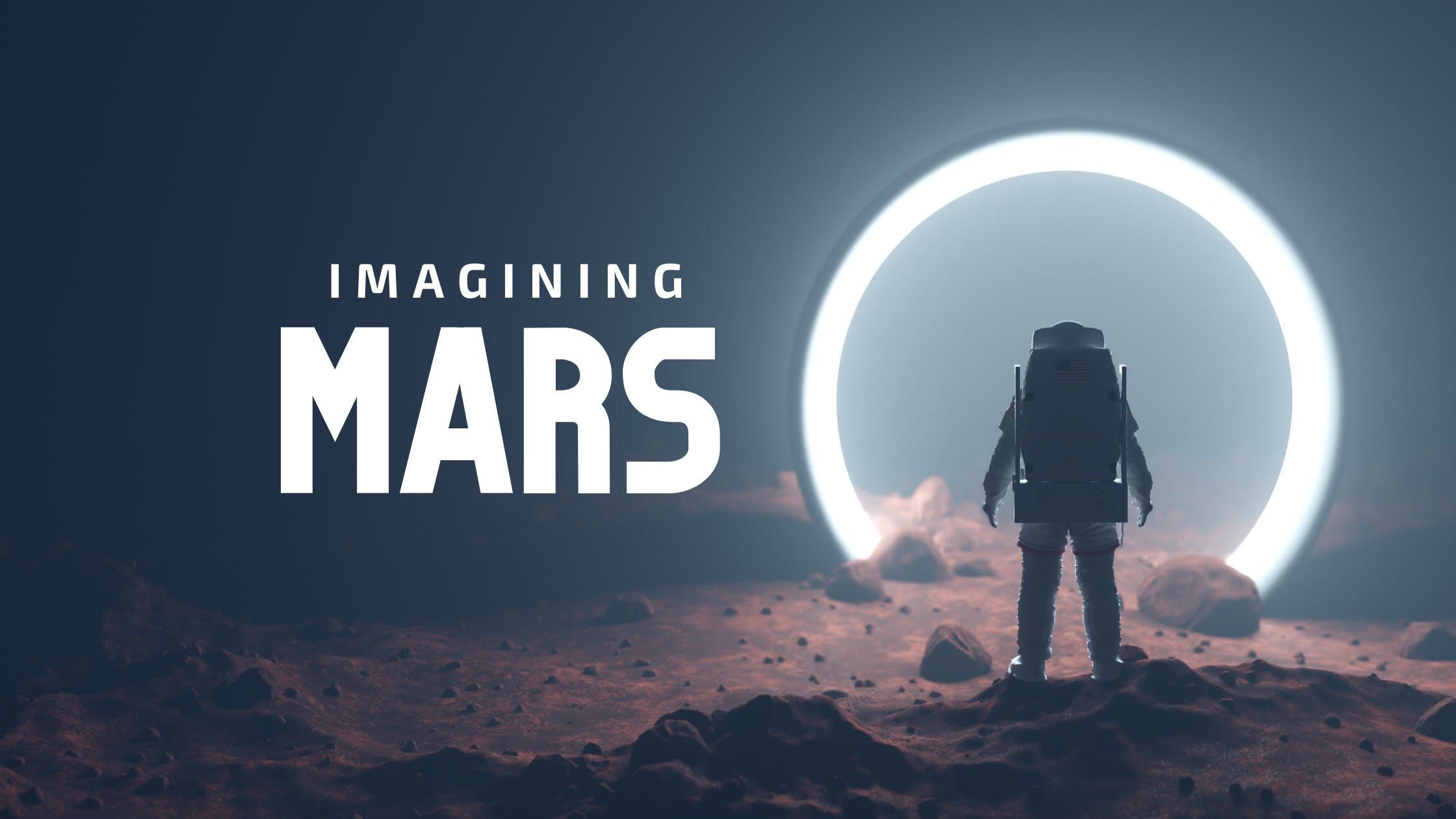
When I was in college, I took a class called Mars in the Imagination, which explored the history of how humanity has imagined the red planet through a syllabus of classic science fiction novels like The War of the Worlds, Out of the Silent Planet, The Martian Chronicles, and Red Mars.
One of the ideas from the class was that our imagination follows the edges of the unknown. First, it was the ocean. In the early days of science fiction, writers like Jules Verne imagined its depths in books like 20,000 Leagues Under the Sea. Because science didn’t yet fully understand the ocean, it became a place for wonder and story.
As our knowledge of the ocean expanded, we turned our attention to the moon. And as the moon became more familiar, Mars became the next great frontier for the imagination.
And imagine we did. In the late 1800s, amateur astronomer and businessman Percival Lowell built a massive telescope, observed lines on the surface of Mars, and became convinced they were canals—evidence of intelligent life.
His theory wasn’t officially disproved until 1965, when Mariner 4 flew by Mars and revealed a cratered, moon-like surface with no canals and no life. Until then, it genuinely felt possible that Mars held life, and stories about the red planet flourished.
Even after Mariner 4, Mars held its place in our imagination as we began to consider the possibility of sending humanity there.
In the stories I read for Mars in the Imagination, it became clear that Mars wasn’t just a planet, but a question. A possibility. A place to imagine what might be waiting for us beyond Earth.
What I loved about this class was that it didn’t just teach me about Mars—it showed me how imagination shapes the way we see the world. Reading these books alongside real history, science, and cultural moments made Mars feel alive in a new way. Not just as a distant planet, but as a mirror for human curiosity, fear, hope, and possibility.
And that’s what I want to offer you here—not just a list of books, but a way to explore Mars as an idea.
This month, as we focus on classic science fiction, I thought it would be fun to share a TBR stack of four of my favorite books from that course, along with a simple way to build your own personal curriculum for understanding Mars’s place in our collective imagination.
—Emma
P.S. All links are affiliate links to bookshop.org.
4 Classic Science Fiction Novels About Mars

The War of the Worlds by H.G. Wells (1898)
“Yet across the gulf of space, minds that are to our minds as ours are to those of the beasts that perish, intellects vast and cool and unsympathetic, regarded this earth with envious eyes…”
A sudden Martian invasion devastates England with terrifying heat rays, pushing humanity to the brink of extinction. In this story, Wells explores mortality, human vulnerability, and the dangers of technological power.
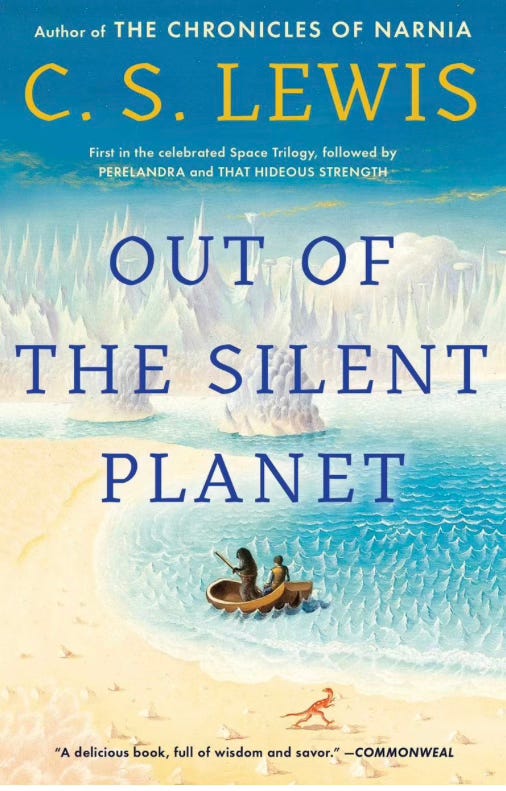
Out of the Silent Planet by C.S. Lewis (1938)
“He felt as if he were being carried out of the world he knew into something wholly strange.”
Dr. Ransom is abducted and taken to Mars, where he escapes his captors and encounters a strange, intelligent world. What begins as a fight for survival becomes a journey into an unfamiliar and deeply ordered universe.
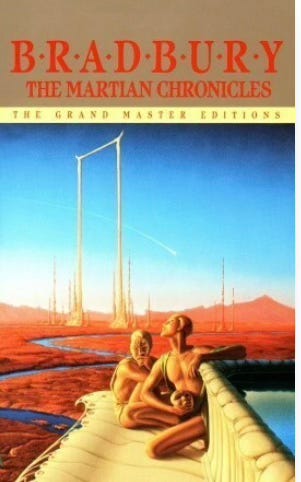
The Martian Chronicles by Ray Bradbury (1950)
“They had come from a world where things were thick and warm and alive, and here was a world that was thin and cold and dying.”
A series of linked stories follows humanity’s attempts to colonize Mars—where loneliness, illusion, and human desire reshape both the settlers and the planet they encounter.
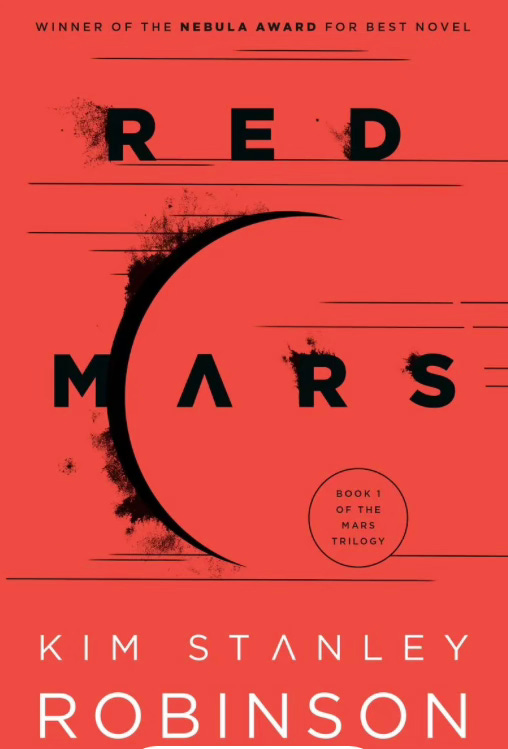
Red Mars by Kim Stanley Robinson (1992)
“We came to Mars to build something new, but we brought everything with us.”
One hundred colonists set out to transform Mars into a livable world—but not everyone agrees it should be changed. As science, politics, and human desire collide, the question becomes not just can we reshape a planet, but should we.
Mars in the Imagination Personal Curriculum
A personal curriculum is a way of following your curiosity—choosing a topic that calls to you and exploring it through books, ideas, and lived experience. Here are a few ways you can explore how we imagine Mars.
Read at least one—if not all—of the four classic novels in this TBR stack
Learn about Orson Welles’s radio adaptation of The War of the Worlds and the mass panic it caused
Watch a documentary about the Mars rovers
Find a local star party and see Mars through a telescope
Read a nonfiction book about traveling to Mars, like Packing for Mars: The Curious Science of Life in the Void by Mary Roach
Read a more recent novel with Mars at the center:
The Martian by Andy Weir
The Mars House by Natasha Pulley
The Lady Astronaut of Mars by Mary Robinette Kowal
Expand your sense of imagining the future with N.K. Jemison’s How Long ’til Black Future Month?
💬 Which part of this “Imagining Mars” curriculum are you most excited to try?
—Emma
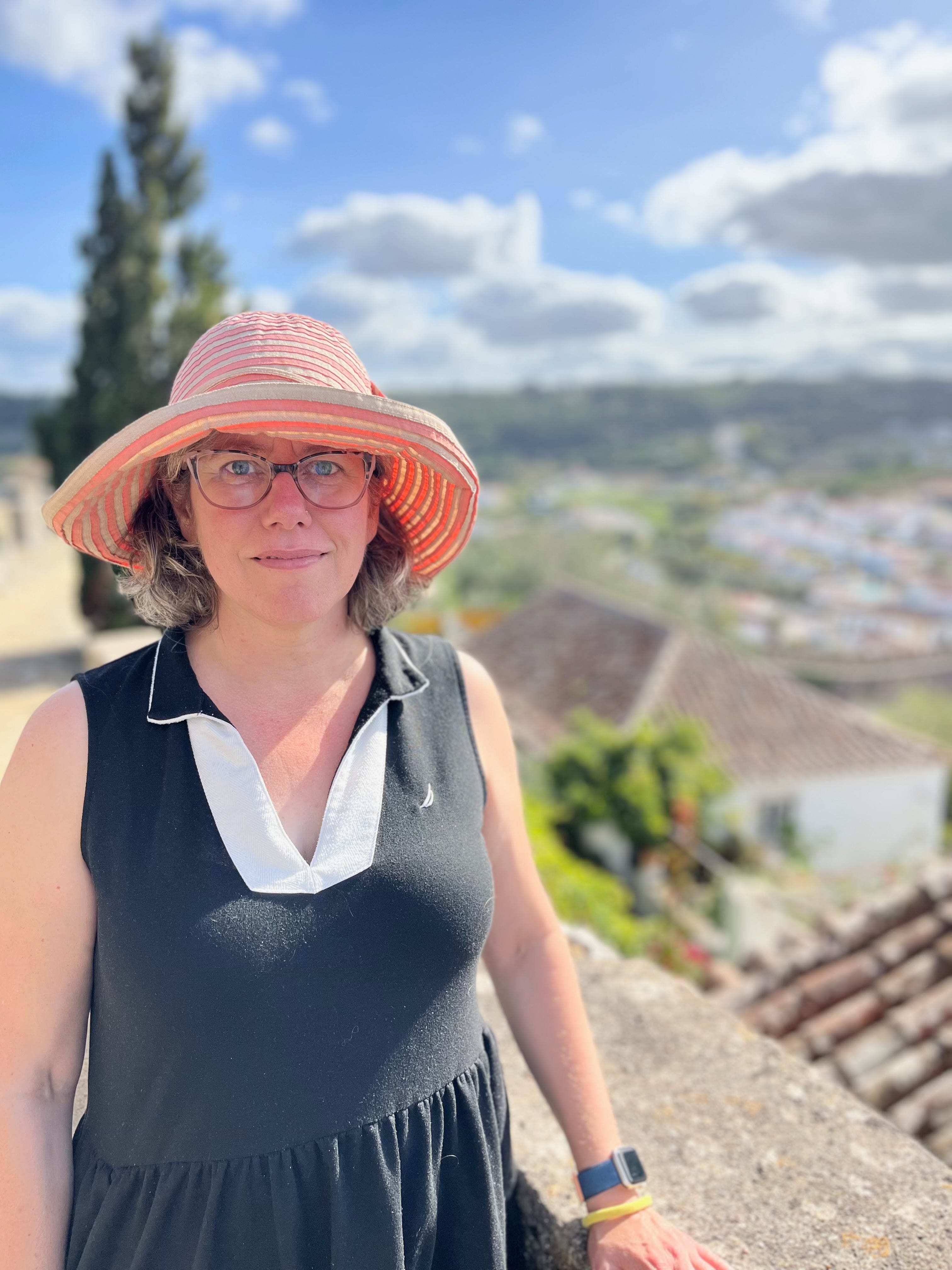
Hi there! I’m Emma Veritas, your cozy reading enthusiast. I delight in escaping to small towns filled with endearing characters—and a touch of mystery, dragons, or aliens. When I’m not sharing bookish musings here, you’ll find me reading at the beach, wandering the tiled alleys of my new hometown in Portugal, or sipping a delicious cup of hot chocolate.
Other places to find me:
👉Follow me on Substack Notes.
👉Subscribe to my witchy, spiritual, and bookish newsletter, Dispatch from the Wondrous Liminal. Read the latest post: Why Stories Matter